
Kate Priestley from sunbeings.org in conversation with:
Ronny Wollmann naturwandel.com and Josephine Seeger crownyourself.studio
7 Years, 6 Places, and our Unvarnished Truth of Off-Grid Living as Artists

1. How did your creative off-grid journey start? What drew you to it?
Ronny:
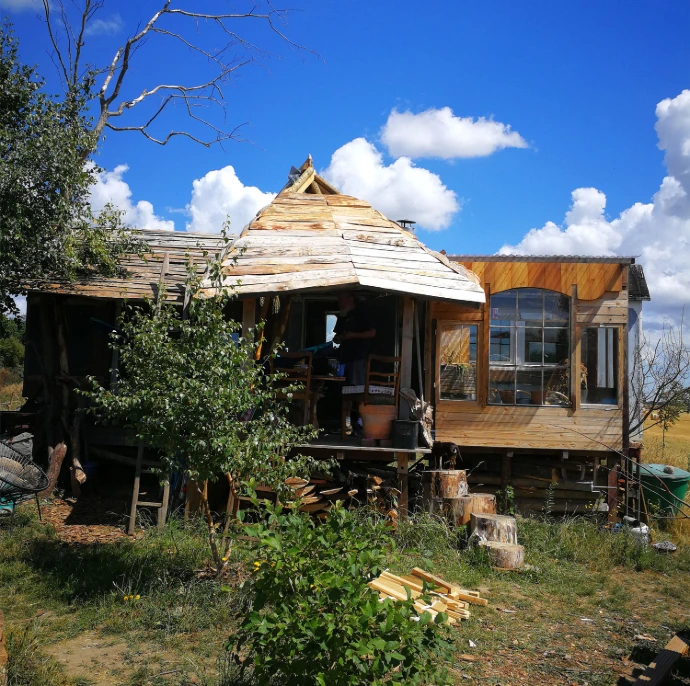
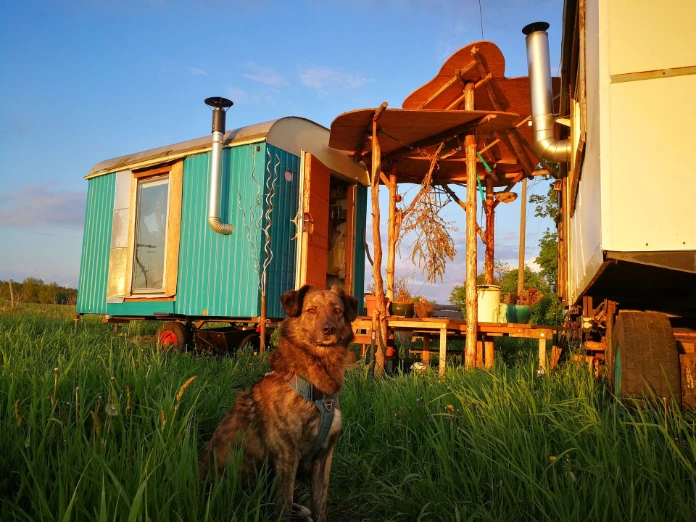
My journey toward alternative living and woodwork actually began in childhood. As a Waldorf kid, influenced anthroposophically by my aunt, I was always building things outside on my own - treehouses, caves, fireplaces. My first home address was even called “Tree Street.”
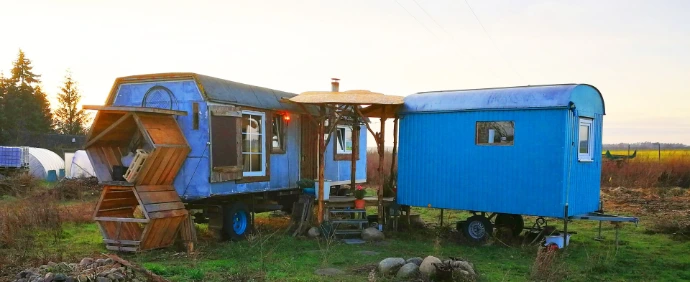
I was drawn to natural materials and to understanding how things actually work. Later, after experiencing a heavy burnout, I made a radical change and upcycled my first circus wagon around 2017.
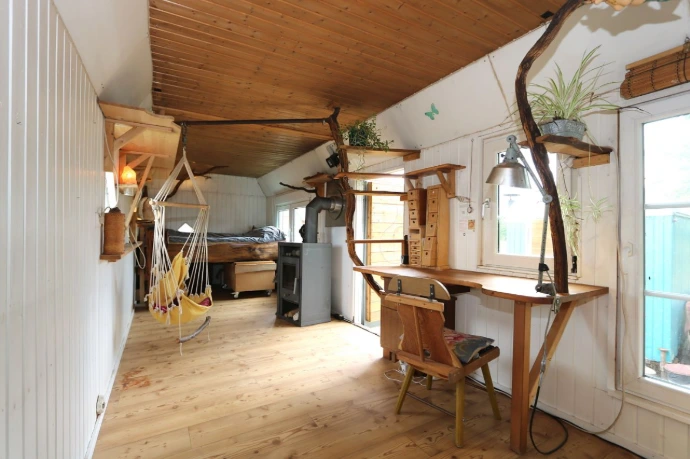
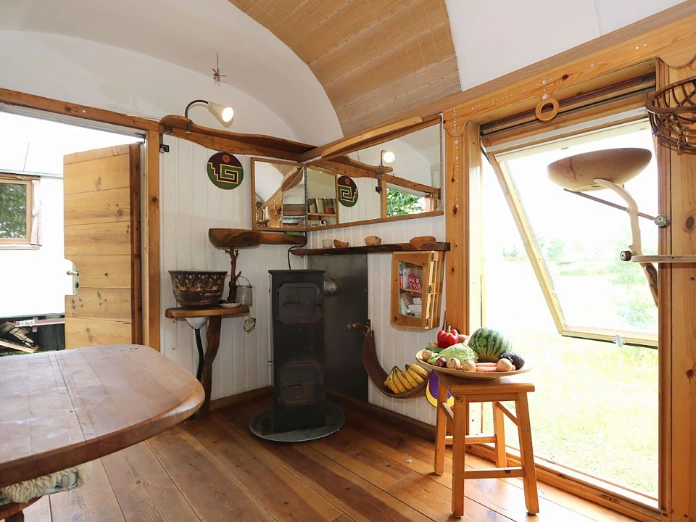
Living in a small mobile structure brought me back to basics:
Space, warmth, water, fire, food, human connection.
When those elements are stable, an enormous amount of creativity and freedom can flow. Instead of constantly running inside the system, I finally had time to breathe again. From there I kept expanding my practical and artistic skills - building, repairing, working with wood, metal, stone, and clay.
Over the years I connected with many people exploring alternative living like tiny house projects, land initiatives, communities. Some were inspiring, others not so much. What I realized early is that off-grid living is not romantic escapism.
It is infrastructure: Water, electricity, waste systems, heat - if those are not stable, everything else becomes exhausting very quickly. People imagine sitting by the fire with tea. And yes I love that, but often it’s the opposite. It’s a lot of work. Basically a full-time job.
But my desire for genuine projects and meaningful encounters has never faded.
Josephine:
2. What places did you visit and how long did this journey last?
How did it affect you creatively as artists?
Those years of slowing down, and rooting deeper internally, changed everything. Crossing this threshold was a liberation, cracking me open to who I am without the constant activity. Even tho I am here to do a lot - from a place of sharing awareness and the value of what I notice in community. I guess, allowing this paradox to unfold was part of the art.
3. What strengths did you uncover living this way ?
The strenght of self-reliance. When something breaks, you fix it. When something is missing, you build it. That gives a deep sense of competence and confidence.
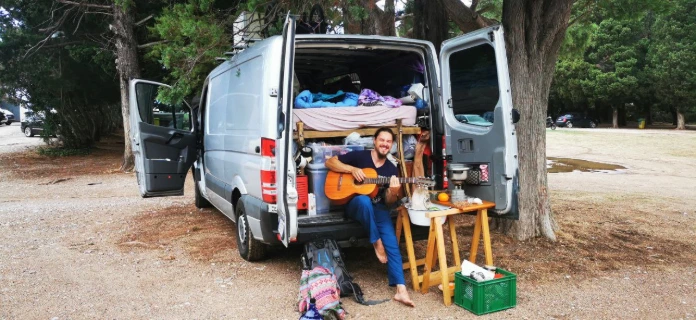
It was through him that we got our van and the confidence we needed to even set out on this journey. When we moved abroad and our plans for life in this vehicle turned out very differently than we had imagined, friends invited us to visit their country and stay with them. Or when the drive shaft of our van broke on those rocky streets, literally in the middle of nowhere on the island, a highly specialized mechanic appeared out of nowhere, took the van apart, shipped the pieces across the country, and fixed it like it was nothing. There were also several beautiful women who stepped in, giving us shelter and even lending us a van to return home after we had to sell ours for the money. These kinds of experiences always stay with you as a reminder that the universe has your back. You are supported.
However, one of my biggest challenges was something all people in alternative communities have to figure out:
The relationship between ideals, sharing freely and economic reality.
We experienced beautiful intentions around exchange, gift economy and communal living. But when economic structures are unclear, I often found myself over-giving, or unconsciously depending on each other in unbalanced ways.
We learned how easily good intentions can become somewhat misled or compromised, when personalities, priorities, artistic direction or economic sustainability are not fully aligned within the group. Especially when you have various skills and are „not about the money“. It took real friction before we understood: goodwill isn't a substitute for a clear agreement - it just delays the moment the disagreement shows up."
3. What strengths did you uncover living this way ?
The strenght of self-reliance. When something breaks, you fix it. When something is missing, you build it. That gives a deep sense of competence and confidence.
It was through him that we got our van and the confidence we needed to even set out on this journey. When we moved abroad and our plans for life in this vehicle turned out very differently than we had imagined, friends invited us to visit their country and stay with them. Or when the drive shaft of our van broke on those rocky streets, literally in the middle of nowhere on the island, a highly specialized mechanic appeared out of nowhere, took the van apart, shipped the pieces across the country, and fixed it like it was nothing. There were also several beautiful women who stepped in, giving us shelter and even lending us a van to return home after we had to sell ours for the money. These kinds of experiences always stay with you as a reminder that the universe has your back. You are supported.
However, one of my biggest challenges was something all people in alternative communities have to figure out:
The relationship between ideals, sharing freely and economic reality.
We experienced beautiful intentions around exchange, gift economy and communal living. But when economic structures are unclear, I often found myself over-giving, or unconsciously depending on each other in unbalanced ways.
We learned how easily good intentions can become somewhat misled or compromised, when personalities, priorities, artistic direction or economic sustainability are not fully aligned within the group. Especially when you have various skills and are „not about the money“.
Josephine:
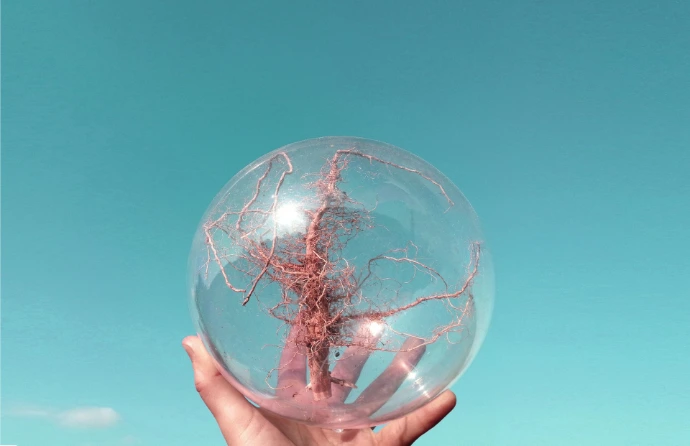
Everything begins as a seed, goes through phases of incubation, pressure, breakdown, rooting deeper, re-emergence and eventual flowering. It takes trust and devotion, when the fruit is not yet visible. That same process is mirrored in human relationships.
My creativity and way of being can be quite "confrontational".
I have a strong sensitivity for inbalances, hidden layers and power dynamics, both positive and negative. These tend to reveal themselves quickly when I enter a space. It took me a long time to recognize this "catalytic gift" as a real strength. Saying the thing that needs to be said, especially when it´s uncomfortable.
As a builder, I am naturally practical as well.
Just not the way you might expect.
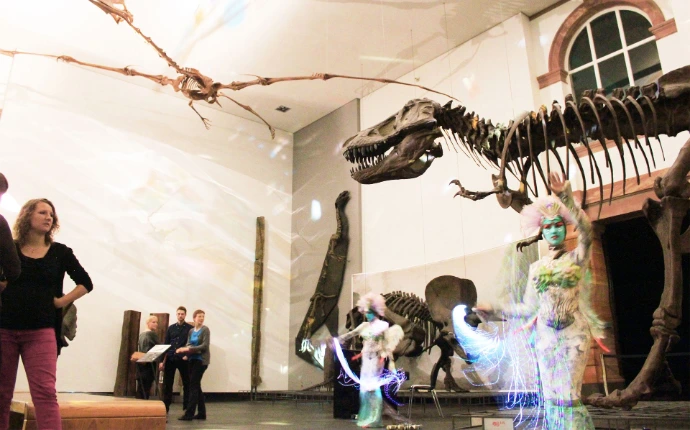
Ronny:
Next to all the funny moments, off-grid living definitely exposed where we were constantly cutting ourselves short.
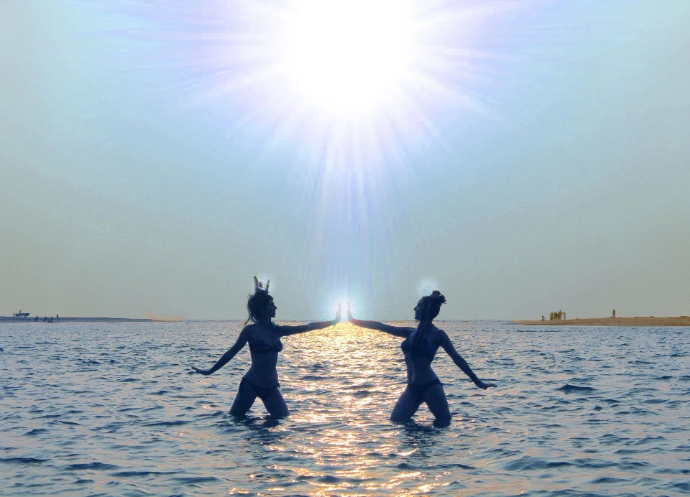
These experiences made one thing so clear:
You must face yourself. No distractions. And at the same time, you’re always on a journey of discovery.
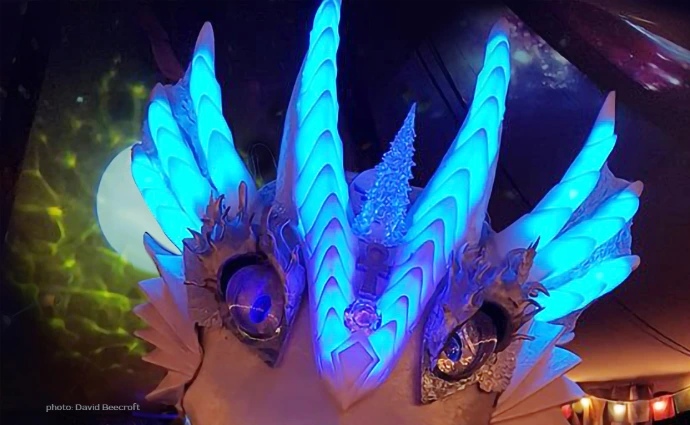
One question turned into a real dragon:
“What is really mine to bring?” People are very close to my heart, and that’s exactly why I’ve come to realize that my role in serving the community isn’t about being constantly available, but about staying true to my own rhythm and shedding light on what can actually work in the long run. Asking better questions, tapping into the intelligence of the room, tending a fertile atmosphere, since we already carry the answers within.
4. How did off-grid living change you and your perspective about money and freedom?
When people truly value their work, with and without money, they can contribute much more powerfully to the world. Undermining your own basic needs does not serve anyone.
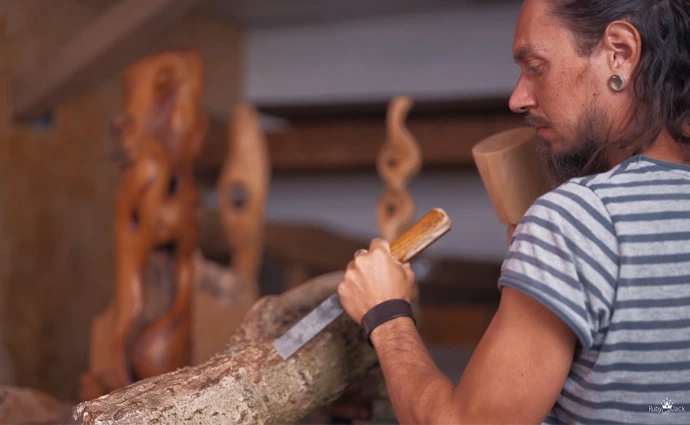
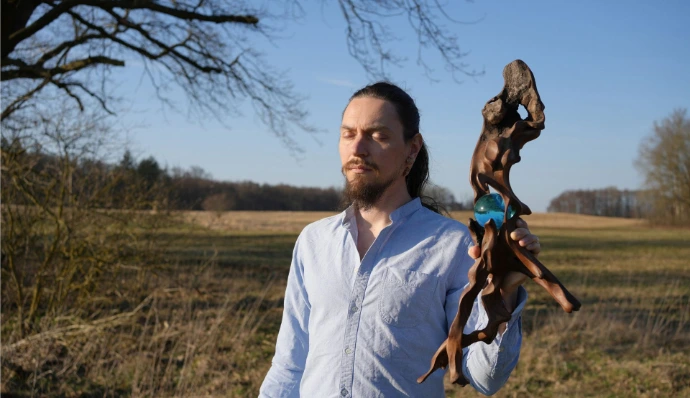
Simultaniously I use limitation as a tool to achieve the best possible result through upcycling. Which is the ability to recognize the abundant potential inherent in materials and places that guides all of my work.
Josephine:
And living in survival mode is not a virtue.
I am interested in investigating questions such as:
How do we step back into circulation?
What makes our uniqueness come fully alive?
How do we build structures inside society that support beauty, creativity, economic wellbeing and authentic contribution?
5. Would you ever go back to living off-grid?
In cosy abundance, not in a freeze response.
6 Anything else you would like to share?
We are hub builders - here to pave new cultural pathways that bring different worlds together. This is what we are currently bringing into form, since returning to Germany.
www.crownyourself.studio and www.naturwandel.com

Final Words:
Ronny:
Experience is worth more than theory.
You can read many books, attend many seminars, but real understanding comes through applied action.That is how new paths are built.
To share one more moment with you I will never forget:
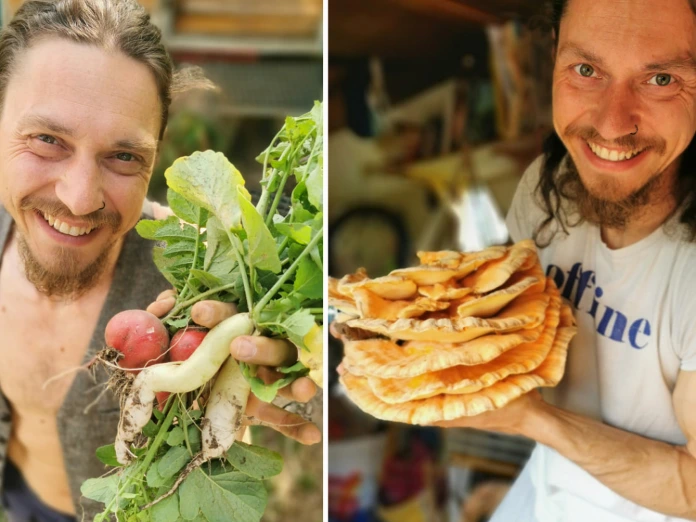
Showering on a crazy hot summer day with rainwater from the only available cisterna, with a dead ghekko swimming inside, which had to be hauled up with a bucket on a rope, only to be filtered again because there were hundreds of tiny red larvae in water.
Living off-grid means finding solutions to unforeseen challenges every day. You learn a lot about life in general in the process:
Cycles and patterns.
Creating value with your own hands.
Successfully transforming compost into usable new topsoil !
That money, thank goodness, isn’t everything in life. You learn how much energy you generate and need every day. How powerful , resilient, also fragile and sometimes naive we really are.
It’s a life full of contrasts. Because it’s basically what we’ve forgotten. We’ve already tied ourselves to too many things and taken them for granted. A healthy mix between “off-grid” and so-called "normal mid-class life" is, in my opinion, the key. Balancing extremes.
But generally speaking, it’s more about reconnecting with nature and reclaiming a sense of self-empowerment. Taking responsibility for oneself, one’s surroundings, and one’s fellow human beings, and building a life in harmony and appreciation.
These are the basic ingredients for something more.
Josephine:
Never loose your humor. Life is supposed to be an adventure.
Let´s make sure we all stay grounded and light enough to enjoy the flight. And if you find yourself in the dark, not knowing what comes next - that's usually exactly when the root is forming, to hold you strong, when things pop off.
„A new yes. A first rock.
A flaming heart and a luminous spirit.
You are the one you have been looking for.
The new yes. The first rock.“
poem by Viola Livera
Our special thank you goes out to:
Oracle Girl, Karina Apolonia Trip, Tad Hargrave, Elaira Flow.